Navigating Conflicts in Upland Hunting Access: A Strategic Approach
I think even a strip of cover that looks perfect can quickly become a conflict when two groups plan to use the entry point or field edge. This conflict creates safety concerns. Can damage relationships with landowners and upset sensitive habitats. To avoid these problems a written access plan is essential. That access plan lets hunters coordinate their moves while staying flexible to changes in weather, bird behavior or landowner requests.
Identifying Conflict Points
I think when addressing potential conflicts start by pointing out the exact spots that matter. These could be a gate, a parking spot, a hedgerow, a creek crossing or a narrow lane. Conflicts usually happen in these spots. Even if two groups want to use the land on the same day careful planning of their start times and routes can keep hunting safe and effective.
Before moving with shared access consider these three key questions:
1. Can each group. Depart without crossing paths?
2. Can hunters clearly see each others positions before taking a shot?
3. Does the plan ensure that dogs, vehicles and people keep clear of any areas?
I think if any of these questions are unclear conflict can be avoided by rethinking the plan. Conflict is usually easier to avoid by changing the plan perhaps by picking another field or shifting the timing-than by dealing with conflict on the day of the hunt.
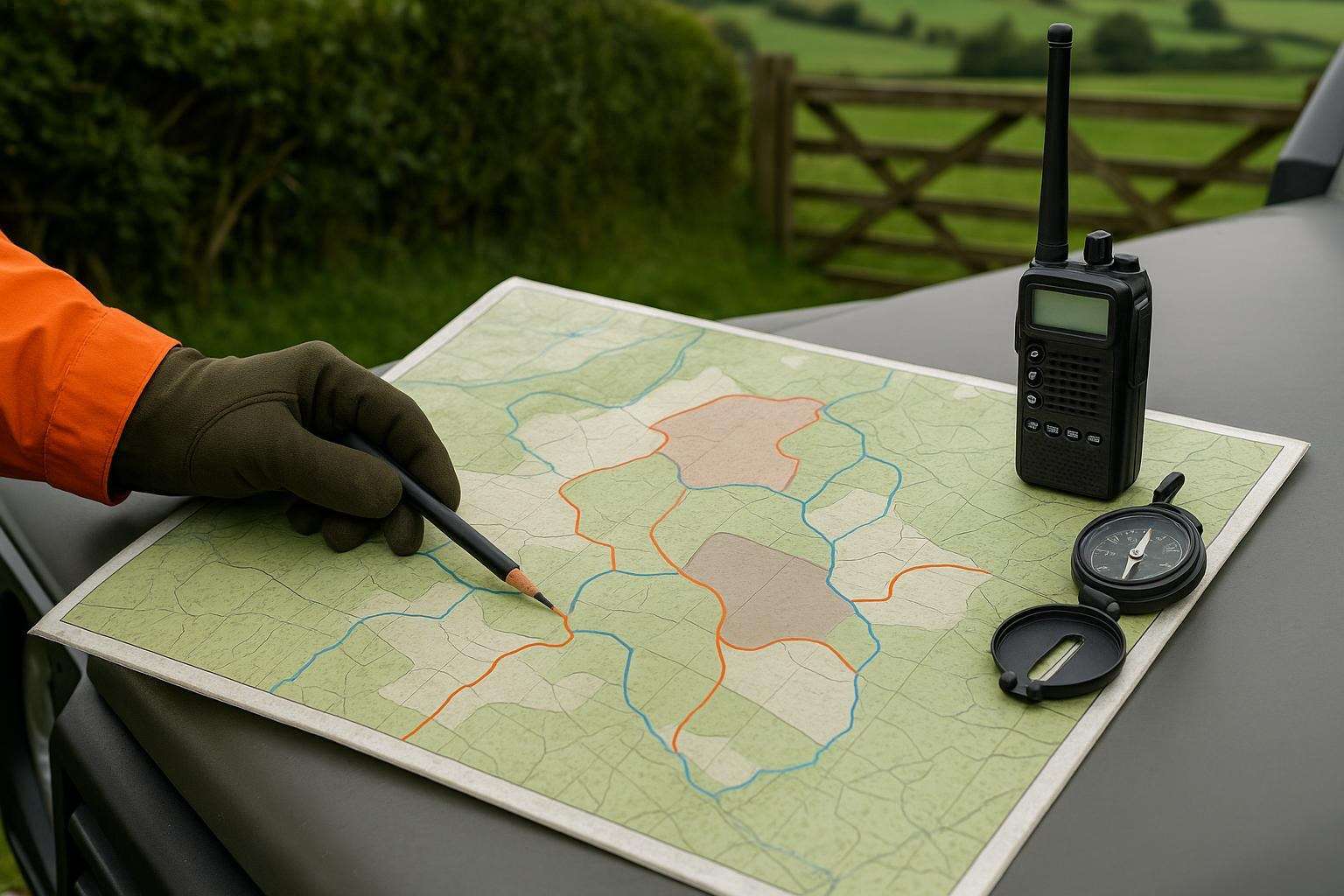
I think a simple map helps explain the arrangements. Mark where parking, gates, boundaries, walking paths, no‑entry zones and the direction for each group are located. Avoid simple drawings; show where hunters will actually stand and move during the hunt.
From Communication, to Concrete Planning
A note stating